Your kidneys work quietly around the clock, filtering about 180 litres of blood every day to remove waste and extra fluid. Most people never think about them until something goes wrong. In Malaysia, rising rates of diabetes and high blood pressure have made kidney failure an increasingly common health concern, and more families are finding themselves navigating dialysis for the first time.
A dialysis diagnosis can feel overwhelming, but understanding what it is and how to live well with it can make a significant difference to both health and quality of life.
What Is the Issue? Understanding Kidney Failure
Healthy kidneys remove toxins and excess water from the blood, balance important minerals like sodium and potassium, help control blood pressure, and produce hormones that support red blood cell production and bone health.
Chronic kidney disease (CKD) happens when the kidneys gradually lose this ability over months or years. When kidney function drops to around 10 to 15 per cent of normal, a stage known as end-stage kidney disease or kidney failure, the body can no longer keep itself in balance. Waste products and fluid build up, which can become life-threatening without treatment.
The most common causes of kidney failure include diabetes, high blood pressure, chronic glomerulonephritis (inflammation of the kidney’s filters), polycystic kidney disease, and long-term use of certain medications, such as overusing painkillers.
In the early stages, CKD often has no symptoms, which is why many people are only diagnosed once the disease is advanced. As kidney function declines, people may notice swelling in the legs, ankles or face, persistent tiredness, shortness of breath, nausea, poor appetite, itchy skin, muscle cramps, difficulty concentrating, and changes in how much or how often they urinate.
What Can Dialysis Help With?
Dialysis is a treatment that takes over some of the work your kidneys can no longer do. It does not cure kidney disease, but it keeps the body stable and allows people to continue living, working and spending time with loved ones.
Specifically, dialysis helps to remove waste products such as urea and creatinine from the blood, get rid of excess fluid that would otherwise cause swelling and strain the heart and lungs, keep minerals like potassium, sodium and phosphorus at safe levels, and support better blood pressure control. For many patients, dialysis relieves symptoms like fatigue, nausea and breathlessness, and helps them feel more like themselves again.
Dialysis can be a long-term treatment or a bridge while waiting for a kidney transplant.
Types of Dialysis
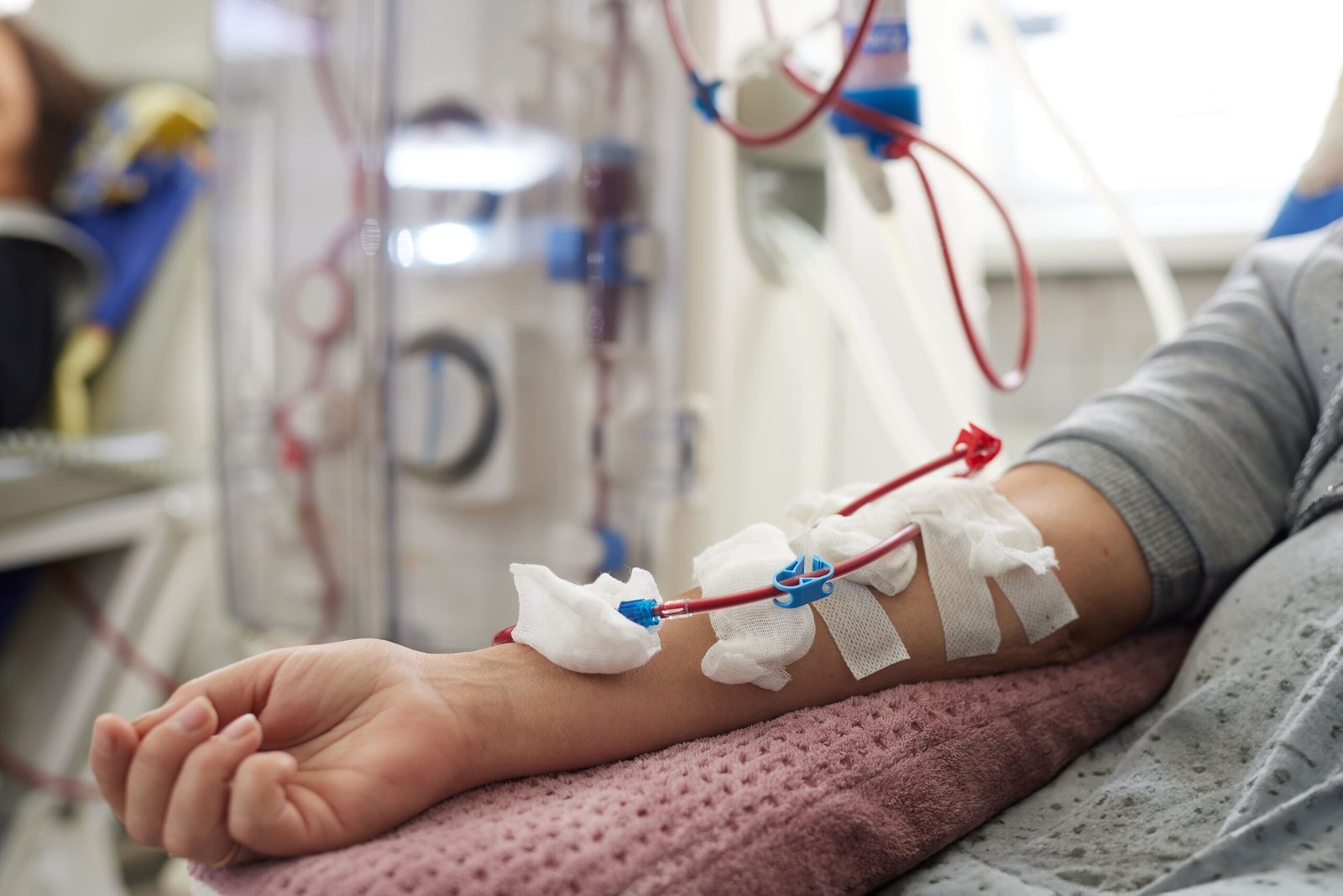
Haemodialysis is the most common type. Blood is pumped out of the body through a vascular access, usually an arteriovenous (AV) fistula created in the arm, and passed through a machine with a special filter called a dialyser. The cleaned blood is then returned to the body. Sessions typically take about four hours, three times a week, at a hospital or dialysis centre.
Peritoneal dialysis (PD) uses the lining of the abdomen (the peritoneum) as a natural filter. A soft tube called a catheter is placed in the belly, and a cleansing fluid is drained in and out. PD can be done at home, either manually several times a day (CAPD) or overnight using a machine while you sleep (APD). It offers more flexibility and independence but requires careful hygiene and daily commitment.
The right choice depends on your medical condition, lifestyle, home environment and personal preference, and it is best decided together with your nephrologist.
Tips for Living Well on Dialysis
Follow your diet plan
Nutrition plays a major role in how well you feel between sessions. A renal dietitian will tailor a plan for you, but common guidance includes limiting salt to reduce thirst and fluid build-up, watching high-potassium foods such as bananas, oranges, durian, potatoes and tomatoes, and limiting high-phosphorus foods such as processed foods, colas, and too much dairy. Many dialysis patients actually need more good-quality protein, such as eggs, fish and chicken, because dialysis removes protein from the body.
Manage your fluid intake
Because the kidneys no longer remove water effectively, drinking too much can lead to swelling, high blood pressure and breathlessness. Your care team will set a daily fluid limit for you. Remember that soups, ice, gravies and fruits also count as fluid. Sucking on ice chips, using smaller cups and avoiding salty food can help control thirst.
Never skip or shorten sessions
Every dialysis session matters. Missing treatments allows toxins and fluid to build up quickly, increasing the risk of hospitalisation and serious complications.
Take care of your access
For haemodialysis, keep your fistula arm clean, avoid carrying heavy bags or wearing tight watches or bracelets on it, and do not allow blood pressure readings or blood draws on that arm. Check daily for the “thrill” (a gentle buzzing) that shows the fistula is working. For PD, always wash your hands thoroughly and keep the catheter exit site clean and dry to prevent infection.
Take your medications as prescribed
Dialysis patients often need phosphate binders, blood pressure medicines, vitamin supplements and injections to treat anaemia. Taking them correctly helps protect your heart and bones. Always check with your doctor before taking any new medicine, supplement or traditional remedy, as some can harm the body when kidneys are not working.
Stay active
Light to moderate exercise such as walking, stretching or gentle cycling can improve energy, mood, sleep and heart health. Talk to your doctor before starting any new routine.
Look after your mental health
It is normal to feel anxious, frustrated or low after starting dialysis. Talk openly with family, join a patient support group, or ask your care team about counselling. Emotional wellbeing is just as important as physical health.
Keep up with check-ups and vaccinations
Regular blood tests help your team adjust your treatment. Dialysis patients are also more vulnerable to infections, so vaccinations such as hepatitis B, influenza and pneumococcal vaccines are usually recommended.
Can Kidney Failure Be Prevented?
Not every case can be prevented, but the risk can be reduced significantly. Keep blood sugar and blood pressure well controlled, go for regular health screenings, especially if you have diabetes, hypertension or a family history of kidney disease, avoid overusing painkillers, maintain a healthy weight, stay hydrated, and stop smoking. A simple blood and urine test can detect kidney problems early, when treatment can slow or even halt their progression.
When to See a Doctor
Seek medical advice if you notice persistent swelling, foamy urine, blood in your urine, reduced urine output, unexplained fatigue or breathlessness. If you are already on dialysis, contact your care team immediately if you experience chest pain, severe breathlessness, signs of infection at your access site (redness, pus, fever), or cloudy fluid during peritoneal dialysis.
Conclusion
Starting dialysis is a big life change, but it is not the end of a full and meaningful life. Many people on dialysis continue to work, travel with proper planning, and enjoy time with their families. With the right treatment, a supportive care team and healthy daily habits, patients can manage their condition well and look forward to the future with confidence.